Catch. Tag. Release. Re-Catch.

FAQs

Please reach out to us if you have questions about FishTagger that are not listed here. We’re always happy to help.

What is a Fish Tag?

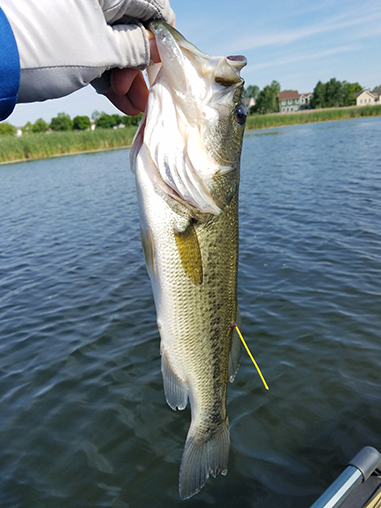
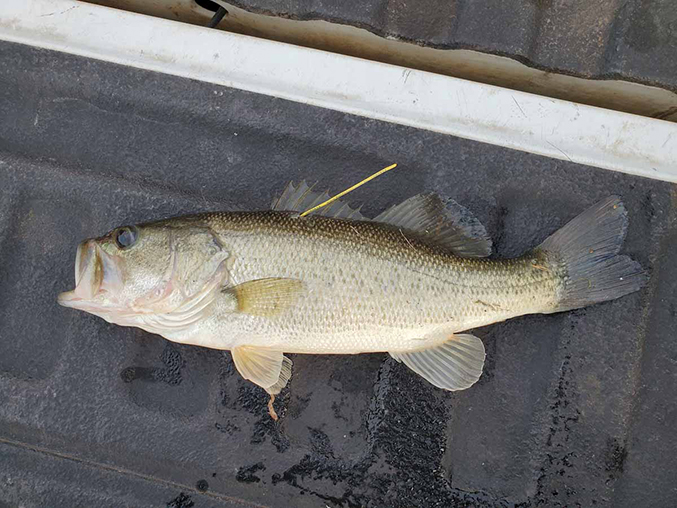
A fish tag is a plastic tipped dart which has been uniquely labelled with a plastic barbed head. Each dart is unique in it’s numbering so that a fish with a tag can be identified. The FishTagger.com web site sells uniquely numbered fish tags that can be placed on fish. The Tag ID (or tag number) found on the tag can be entered into the web site with various other information regarding the fish and angler. The tag’s history is recorded for free on the web site and can be accessed anytime by anyone researching or adding to the tag’s history.

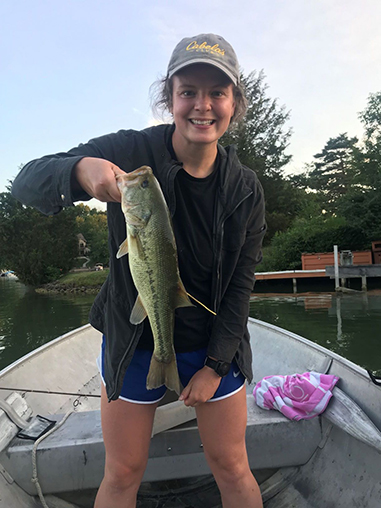
Tagging a fish and recording the information on FishTagger.com and our mobile app will allow you and other anglers to track the history of this fish. As anglers catch the tagged fish and record their catch information on the app or website, the fish’s history will grow. You will be able to see who caught the fish, when it was caught, how the fish has grown, where the fish was caught, etc. All this information will stay on FishTagger.com and can be accessed for free at anytime. Just enter the Tag ID on our website or mobile app for add or search.

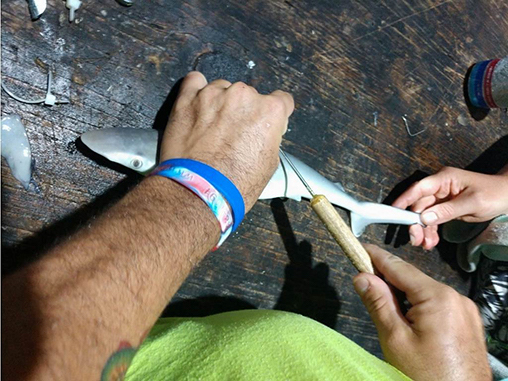
Tagging a fish is done using the Applicator and one of the Tags from your kit. Please watch the video below for instructions on how to insert the tag.

Click on “Search Tags” at the top of the page or open our mobile FishTagger app. Key in the Tag ID printed on the tag and click Go. You will now be brought to a page displaying the tag’s history.

Click on “Search Tags” at the top of this page or open our mobile FishTagger app. Key in the Tag ID printed on the tag and click Go. You will now be brought to a web page displaying the tag’s history. Please add your catch information by selecting Add Your Catch. You will be asked for information regarding your catch such as angler name/e-mail, fish type, weight, length, location caught, date caught, and any comments. You should print out and take a Fish Tag Log Sheet with you when fishing in order to record this information for entering catch data after fishing. Click here to print the log sheet.

GPS tagging does not exist under the water. These tags do NOT exist. The tags we provide do NOT transmit data. The tags have the web site and a Unique Tag ID printed on the tag stem. When a person catches the fish, they can then enter this catch into the web site under this Tag ID; creating a history. Tags are in no way transmitting data and have no power source.

Fish Tagger cannot support printing custom tags. We do not do any custom ordering as far as quantities and labelling. We ONLY sell what is on the web site. We do not supply any other type of tags.

Yes — FishTagger tags are proudly Made in the USA, using high-quality materials and processes. Because everything is produced domestically, we’re able to maintain consistent thickness, durability, and unique Tag IDs. If you ever see a tag without a proper “FishTagger.com” label (or you suspect it isn’t legit), contact us and we’ll verify.

While our standard kit and tags are optimized for fish 8 inches or longer, you may use them on slightly smaller fish with care — but tag insertion may be more difficult and might risk injury to the fish. On very large game fish, our tags work fine, but you’ll want to make sure the tag is placed securely and that the fish is released safely. Always monitor the fish after tagging and check your state or local wildlife regulations.

Once the fish is re-caught and the new angler logs the Tag ID on our website or mobile app, you’ll receive a push notification on your phone associated with the account you used when purchasing/activating the tag. The tag’s history page will update with the new catch date, length/weight info (if entered), and location. This “tag-and-release-and-recatch” cycle is exactly what makes FishTagger fun and useful.

In order to receive a live notification, please ensure that Push Notifications for FishTagger are enabled on your device.

No worries — you can log into your FishTagger account anytime and update your contact info (email, phone, location etc.). The tag remains valid and the history stays intact because the tags are U.S.-made and built to last many seasons of use.

Occasionally, tags can be lost or damaged over time — especially in harsh conditions or if the fish grows significantly. If a tag number becomes unreadable or goes missing, simply record the catch details as best you can and note that the tag was lost. You can then apply a new tag from your FishTagger kit and enter the new Tag ID in your account. This helps maintain accurate records and ensures that future catches of the same fish can still be tracked.